数百万年前,不可思议的神奇力量将地壳撕扯得支离破碎,由此创造出七个蔚为壮观的大陆。时光荏苒,每个大陆都孕育了别具特色的野生动物。 从郁郁葱葱的南美洲丛林深处到冰雪覆盖的亚洲山峦之巅,从欧洲熙熙攘攘的都市到非洲的广袤平原,《七个世界 一个星球》将开启一次七大洲之旅,呈现匪夷所思的动物行为,讲述鲜为人知的动物故事。我们将探索在这七个世界,丰富多样的生命如何在地球上生长繁衍,同时揭示在人类主导的世界,动物们所面临的不同挑战。
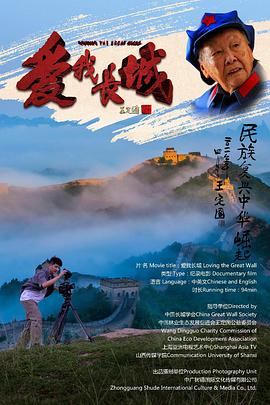
这是我国第一部全景式4k高清展现老红军王定国及她所代表的老一辈及其感召下几代人进行长城保护故事的纪录电影。 2017年冬天,90后小有成就的长城专职摄影师杨东,通过央视春晚得知已经105岁的老红军、中国长城学会现任名誉会长王定国的传奇经历,接受了纪录电影《爱我长城》摄制组邀请他为王定国拍摄一张她心目中长城照片的任务。于是,他从家乡我国长城最东端辽宁丹东虎山长城出发,一路拍摄长城,一路了解王定国等老一辈保护长城的故事,到达了我国新疆边境最西端的长城。在一年多的拍摄过程中,他了解到改革开放以来,在邓小平、习仲勋“爱我中华,修我长城”的题词感召下,王定国、罗哲文等老一辈革命家在长城保护中的光辉业绩和高风亮节,也了解到在他们关怀和影响下,著名长城专家董耀会、国际长城专家林赛、农村党支部书记吕成贵、大学教授赵琛等在新时代用不同方式传承保护长城的精彩奋斗故事,他对长城精神有了更为深入的认识,最终杨东用长征信念和长城精神拍摄到了一组高质量的长城照片,并在2018年平遥国际摄影大展上获得广泛关注。当他把最满意的一张名为《大国战号》的照片送给病榻上的王定国时,年已106岁(2018年)的王定国露出了欣慰的神情。
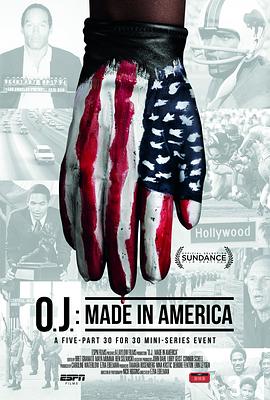
继《纽约灾星》和《制造杀人犯》 之后又一部极佳的纪录剧集。本作是导演伊斯拉•埃德尔曼摄制的5集纪录电视电影。将震惊美国的著名橄榄球运动员O.J. 辛普森杀人案事件再度搬上荧幕,通过对辛普森人生轨迹的深入展现,探究美国社会最关注的两个话题:种族和名人……
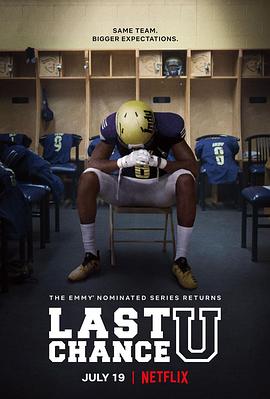
Jason Brown copes with his celebrity status. Bobby Bruce tries to rebound from bad decisions. Brown considers bringing back a polarizing player.
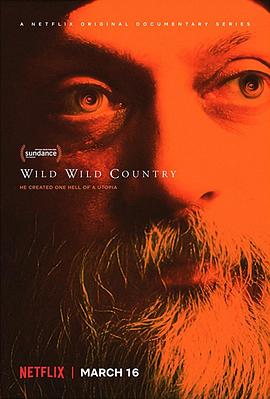
一名充满争议的教派领袖在俄勒冈州的沙漠中建起乌托邦之城,他与当地居民的冲突演变为了全球性丑闻。
在新几内亚岛屿上面住着五光十色和美丽无比的鸟群。当欧洲人在十六世纪的时候第一次看到这一群无与伦比的动物,他们觉得是逃离了伊甸园来到了鸟类的天堂。住在新几内亚的人们把这些鸟群的羽毛看作是宗教的遗产。但是,要想在这茂密的森林里面寻找这些鸟群却是项艰巨的任务,要看到他们奇特的寻偶展示更是难上加难。《自然》将由一群新几内亚的科学家们带你去拍摄这些非凡的鸟群们。
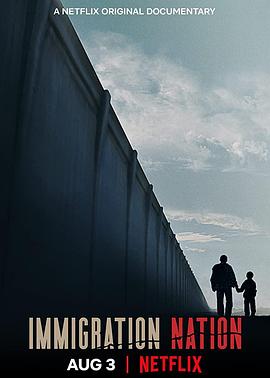
在开创性的六集纪录片剧集《移民国度》中,备受赞誉的电影制作团队沙乌尔·施瓦茨和克里斯蒂娜·克拉西奥(2017 年的《战利品》)以前所未有的视角展示了移民美国的过程、隐患和痛苦。施瓦兹和克拉西奥耗时三年拍摄了移民和海关执法人员、活动家、法律制定者、律师和大批无合法身份的移民群体的日常,从绝望的新来者到长期居民,再到被驱逐出境的美军老兵,皆包含在内。 随着移民工源源不断地越过美国边境,要求移民和海关执法局实行零容忍政策的压力让移民成为了焦点。但是,该如何修补一个似乎无法修复的体系?当一件事从一项人道主义关切演变为“我们与他们”的政治热点,我们又该何以为继?美国的故事(激励我们自己的移民亲属冒着生命危险来追求更好的生活)是否被大幅度重写,以至于“自由的土地”现在只是少数人才能享受的奢侈品? 随着无效的威慑和军事化策略的继续,《移民国度》公正地描写了一个正处于危机中的国家;这个国家急需坚定的信念和行动。
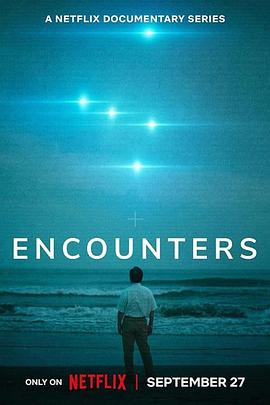
军方告密者揭露爆炸性消息,事关遇到外星人的经历、不明飞行物和五角大楼秘密项目,再加上主要新闻来源的报道,使这个几十年来一直被归入阴谋论的话题变得更有新鲜感和紧迫性。 《邂逅 UFO》由约恩·莫茨金(《忽悠世代》)执导,Amblin Television、艾美奖得主 Boardwa lk Pictures 和 Vice Studios 负责监制,是一部具有里程碑意义的四集电视剧,将前往世界各地,探索四个遇到超凡现象的非凡真实故事。每一集都像电影一样深入研究,然后讲述一个故事:德克萨斯州小镇上空的奇怪灯光;潜水器在威尔士沿海村庄出没;津巴布韦小学生与外星人的邂逅;非人类智能干扰日本的一座核电站。 该剧集从目击事件发生的亲历者的视角讲述,并在尖端科学家和军事人员的指导下,超越了科学范围,强调了这些遭遇对人类生活、家庭和社区的深刻影响。这是一个适时而永恒的宇宙侦探故事,从这个跨越不同地点、时间和文化的看似无关的遭遇谜题中,我们将揭示出一系列不可思议的相似之处,以及一个惊人的事实:与外星人的相遇发生在全球各处、令人惊叹,超乎我们以往的想象。
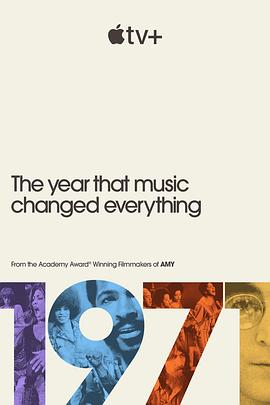
In a tumultuous era, 1971 would be a year of musical innovation and rebirth. Fueled by the political and cultural upheaval of the time, fresh talent exploded onto the scene, stars reached new heights, and boundaries expanded like never before. Watch 1971: The Year That Music Changed Everything, coming to Apple TV on May 21. This eight-part docuseries will take you back to the birth of the most original artists and songs that we still listen to 50 years later, including never-before-seen footage of The Rolling Stones, Aretha Franklin, Bob Marley, Marvin Gaye, The Who, Joni Mitchell, Lou Reed, and more.
在这个系列纪录片中,犯罪实录和体坛内幕相互交织。通过相关人员的第一手资料,审视全球争议事件和丑闻。
假如我们所熟识的史前史全都是错误的呢?学者格雷厄姆·汉考克访问了世界各地的考古遗址,调查几千年前的文明是否比我们想象中要先进得多。