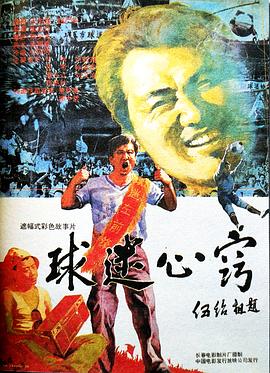
锡伯族摔跤手锡林,训练刻苦 在国际摔跤邀请赛上力克号称“当代斯巴达克”的詹金斯,使中国摔跤运动实现了零的突破。
中学生白路吹了最时髦的发型和他的玩主乐队在大街上表演。白路的父亲从美国回来,看到儿子长发飞扬的照片,设计使白路吃下安眠药,趁机修理了他的发型,白路醒来后赌气剃了光头以示抗议。白路随农村姑娘来到乡下,想顺便了解父亲当年插队的劣迹。白路和乐队花里胡哨的表演遭到失败,太姥姥向他讲述了生母的故事,白路被感动了,他与甘泉艺术团同台献艺出自真情的演唱了献给母亲的歌,获得了巨大成功。白路带着对故土和母亲的眷恋踏上了归途。
Sabina, a divorced mother of two small children, falls in love with an old friend from the Bosnian war. The two plan to marry, but things go terribly wrong. Sabina K. is inspired by a true story set in Bosnia and Herzegovina. The "Sabina" of the title plans to marry Sasa (with whom she served during the Bosnian War), but there is a problem. Sabina is Muslim and Sasa a Catholic, and their respective families disapprove of the marriage. Their only ally is an older woman, Ankica, whose son - killed in the war - had been their close friend. "Aunt" Ankica thinks of Sabina and Sasa as her own children and invites them to her home on the island of Korcula to get married. Springtime comes and Sabina travels to Korcula where she is reunited with Ankica and where the two women wait for Sasa to join them from Zagreb. The days pass... Sasa never arrives... and with a heavy and troubled heart, Sabina returns to Sarajevo. She discovers that Sasa has taken all his things from her apartment and moved out. There is no note; no explanation. Sabina goes to Sasa's mother for answers, but the deeply embittered woman treats her harshly and calls the police.