The movie tells the stories of nine girls from different parts of the world who face arranged marriages, child slavery, and other heartbreaking injustices. Despite these obstacles, the brave girls offer hope and inspiration. By getting an education, they're able to break barriers and create change. Written by Seventeen Magazine
《野味儿》以 “野” 为引,深入山林湖海,揭开隐匿于自然深处的独特风味。该片不仅聚焦山野珍馐的捕获、烹饪过程,更以 “野味儿” 为纽带,展现不同地域人们与自然的相处智慧。在东北老林场,守林人用野果酿酒,封存岁月的醇厚;在海岛渔村,渔民遵循潮汐规律捕捞,践行着可持续的生存哲学。《野味儿》用镜头捕捉自然与人文的碰撞,带你感受野性食材背后,人类对土地的敬畏、对生活的热爱,以及那份在钢筋水泥中难寻的原始生命力。
乔丹·皮尔将制作聚焦劳瑞娜·波比特的亚马逊4集纪录剧集《劳瑞娜》。1993年来自维吉尼亚州的劳瑞娜在丈夫睡觉中,用菜刀切断了其生殖器。该剧将以新视角解读这则事件是如何为现代24小时新闻以及越发煽情的媒体报道奠定了基础。剧集由约书亚·洛夫于执导。
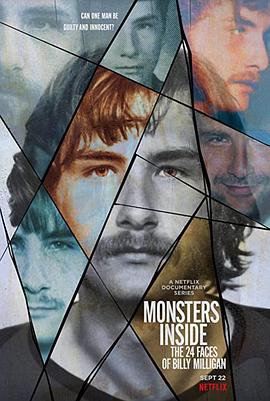
1977年,一名连续强暴案嫌犯在俄亥俄州立大学被逮捕。决定性的证据很快使调查人员找到了比利·米利根(Billy Milligan)——一名无所事事的年轻男子,有童年创伤和犯罪记录。然而,比利被捕时声称对袭击事件毫无记忆,并且他的行为举止似乎也当场改变了。经过多名精神病学家诊断,比利·米利根患有多重人格障碍(现在称为分离性身份识别障碍),并最终确定在他的头脑中总共有多达24个不同“人格”存在。比利因此被称为“24个比利”。 在这个全美瞩目的案件中,精神病学家的诊断为一项前所未有的辩护策略提供了依据。比利最终因精神错乱而被判无罪。然而,对他的审判还远远没有结束。导演奥利维尔·米加顿(曾执导过《飓风营救2》)在这部扣人心弦的调查系列剧集中,展现了他的电影敏感度,对米利根的家人、朋友、医生以及试图解开真相的执法人员进行了电影般的采访。这项具有里程碑意义的判决已经过去40多年了,几乎每个人都在问:比利的多重人格是否真的控制了他的行为,或只是一个聪明的自恋型反社会者的掩饰?有魅力的罪犯应该在多大程度上从他们的恶名中获益?像比利这样暴力的罪行还会发生吗? 比利·米利根的故事因丹尼尔·凯斯的《24个比利》《比利战争》而闻名,两本书构成属于比利·米利根的完整故事线,其中《比利战争》是比利·米利根故事的大结局,全美封禁不得出版,全球仅有中文、日文和法文版。
在这部纪录片中,一名女子对一个西班牙导游提出指控,这引发了许多美国学生在数年内也提出了类似控诉。
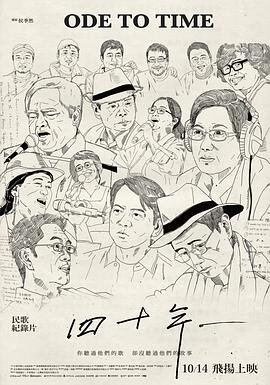
一九七零年代,台湾掀起年轻人自己写歌自己唱的“民歌”热潮,当年的民歌手与歌,不只反映了当时社会的精神面貌,也描绘了某一个世代青年的面貌。四十年后,歌曲仍然传唱,唱歌和听歌的人经历了四十年的光阴,都到了人生的下半场。一场四十年后重聚的演唱会,犹如降灵夜,召唤青春的记忆,与当下的生命对照、对话。不论是宝变为石的感概,还是历久弥新的激情,都在一首首大合唱的民歌裡找到归向。本片以民歌四十周年演唱会为轴心,往外辐射民歌时代的代表人物们:杨弦、胡德夫、陶晓清、吴楚楚、杨祖珺、李建复、侯德健、李宗盛、邰肇玫……此时此刻的生活实貌,以及对创作、对国族认同、对人生起落的所思所想。这是歌的故事,也是时间的故事。
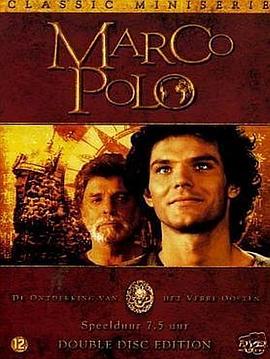
唯一全景反映《马可波罗东游记》的影视作品!由北京电影制片厂与意大利广播电视公司合拍,中国演员英若诚对忽必烈这个角色的苍凉演绎,最终在意大利获得年度最佳男演员奖。该剧亦赢得艾美奖最佳电视剧奖。 影片简介: 最初马可·波罗随同两个牧师被派往忽必烈朝廷传教,以期对方能皈依基督。然而半路上,马可就被随行的牧师们遗弃了,因为后者怀疑世上根本就没有中国这个国家的存在。在经历千辛万苦之后,马可终于凭借自己的力量到达了中国,并被视作外交使节加以礼遇。在随后的20年中,马可深入探寻中国文化,走过了许多地方。归国后,他写出了那本著名的《马可·波罗游记》,彻底改变了西方世界对于中国的看法。
在这部妙趣横生的科学剧集中,古怪生物和大自然母亲担任旁白,带你一窥地球上最不可思议的动物的生活。
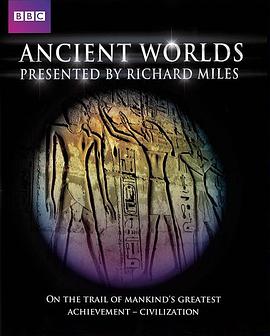
Ancient Worlds is about people and places, politics and economics, art and war, trade and technology, but above all it’s the story of the painful birth and difficult growth of a radical idea first tried and tested some six thousand years ago, and which we are still struggling with today; civilisation. Civilisation has not come easily; it’s something we’ve had to fight hard to achieve, and even harder to maintain, and the greatest threats to it have come from our own talents for destruction. But when we’ve managed to get it right, the benefits have been enormous. When we talk about the ancient world we tend to think of rare and exotic artefacts or the monumental remains of epic architecture; but these are just the empty shells that got left behind when the tide of history turned! The living creatures, the civilisations, that once inhabited these shells were rarely if ever static or stately; they were dynamic, chaotic, and always threatening to spin out of control, because civilisation is based on an improbable idea; that strangers can live and work together in dense urban settings, forging new allegiances that replace the natural ties of family, clan or tribe. It’s an idea we’re still coming to terms with today, but one of the best ways to understand the challenges that are involved is to look at how our ancestors tackled them the first time around. From ancient Iraq to Imperial Rome, Ancient Worlds examines how our ancestors struggled with the levers of religion and politics, art and culture, war and diplomacy, technology and trade in order to keep the complex machinery of their civilisations turning over. Their insights and blind-spots, their breakthroughs and dead ends, their triumphs and disasters are the milestones on the long and winding road that leads directly from their ancient to our modern world.